From childhood, I had dreamed of being my older sister Maya’s closest companion. I was endlessly devoted—her shadow, her number one fan. I mirrored her style, embraced her interests, and celebrated every triumph of hers with an almost fierce pride. When Maya returned home clutching a trophy from a track meet or dance contest, she would always tease me, ‘Bet you couldn’t do this, could you?’ waving the prize like a challenge. And instead of feeling envy, I’d pull her into a hug and gush with heartfelt happiness for her successes. Yet strangely, this only seemed to fuel her resentment. Often, she would shove me aside so forcefully I’d stumble and sometimes fall, dazed and bruised on the floor. I was too young to comprehend it then.
The turning point came on my twelfth birthday. My parents gifted me a glittering pink bicycle—the very bike Maya had longed for but never received. My heart swelling with childlike joy, I rushed to her room breathlessly, begging her to be the first to ride it. Her face twisted into a cold, cruel smirk. ‘Sure,’ she said smoothly, and pushed the bike to the end of our driveway. I thought she was off for a celebratory ride. Instead, Maya caught my eye with a triumphant glare and, without a word, hurled the brand-new bike directly into the path of a speeding truck. I was rooted to the spot, horror clutching my chest, as the bike crumpled into ruined metal and shattered plastic. In that instant, something inside me broke. My childhood innocence and my faith in her broke along with that bike. From that day forth, I vowed never again to share my joys or victories with Maya.
When I was fourteen, I won first place at the regional cross-country championships. Rumors of my win accidentally reached Maya through overheard conversations. Surprisingly, she didn’t fly into a rage—instead, she asked if she could attend the awards ceremony. Clinging to a naive hope, I eagerly said yes, dreaming she wanted to bridge the gulf between us.
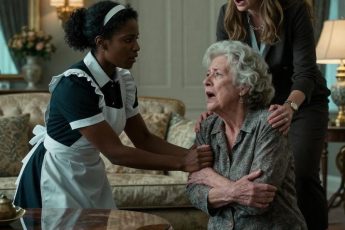
On the day, as the coach began announcing the winners from third place up, I held my breath. Third place was called. Second. Just as my name was about to be announced for first, I caught movement out of the corner of my eye. Maya had dropped suddenly to the floor, collapsing in a shocking spectacle. Gasps rippled through the gym, my parents rushed to her side, and a hushed concern swept over the crowd. Minutes later, sirens wailed outside as an ambulance arrived. Maya sprang upright, grinning theatrically, ‘Oops, guess I didn’t eat enough today!’ Everyone admired her ‘recovery’—but my name was never called. My triumph was stolen, erased in an instant. I just turned away, bitter and disbelieving.
After that, I withdrew into silence, cutting Maya out of my life. It was lonely but safer. Then at seventeen, my hard work finally paid off—I was accepted into an Ivy League university. When my parents found the acceptance letter before I did, their pride was unmistakable. My mother’s joyful screams filled the house, social media blossomed with photos of me beaming alongside the letter. For a fleeting moment, I dared to believe this victory was untouchable, that Maya’s sabotage would end here.
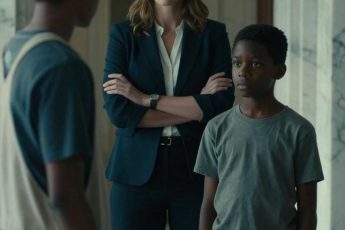
But I was wrong. The next morning, my parents stormed into my room, hastily packing my things into dark garbage bags. My mother’s voice trembled as she explained, ‘Your sister has been diagnosed with stage three ovarian cancer. She’ll need this room for her treatment and recovery.’
A chilling certainty froze me. I knew, with unnerving clarity, Maya was fabricating it all.
Later that day, Maya arrived, an insolent smirk playing on her lips. Her head was completely shaved—a stark contrast to the recent photos on her social media showing her long hair flowing in the wind. She feigned exhaustion and collapsed into bed. That night, I cooked her favorite meal, playing the loving sister, lulling her into complacency.
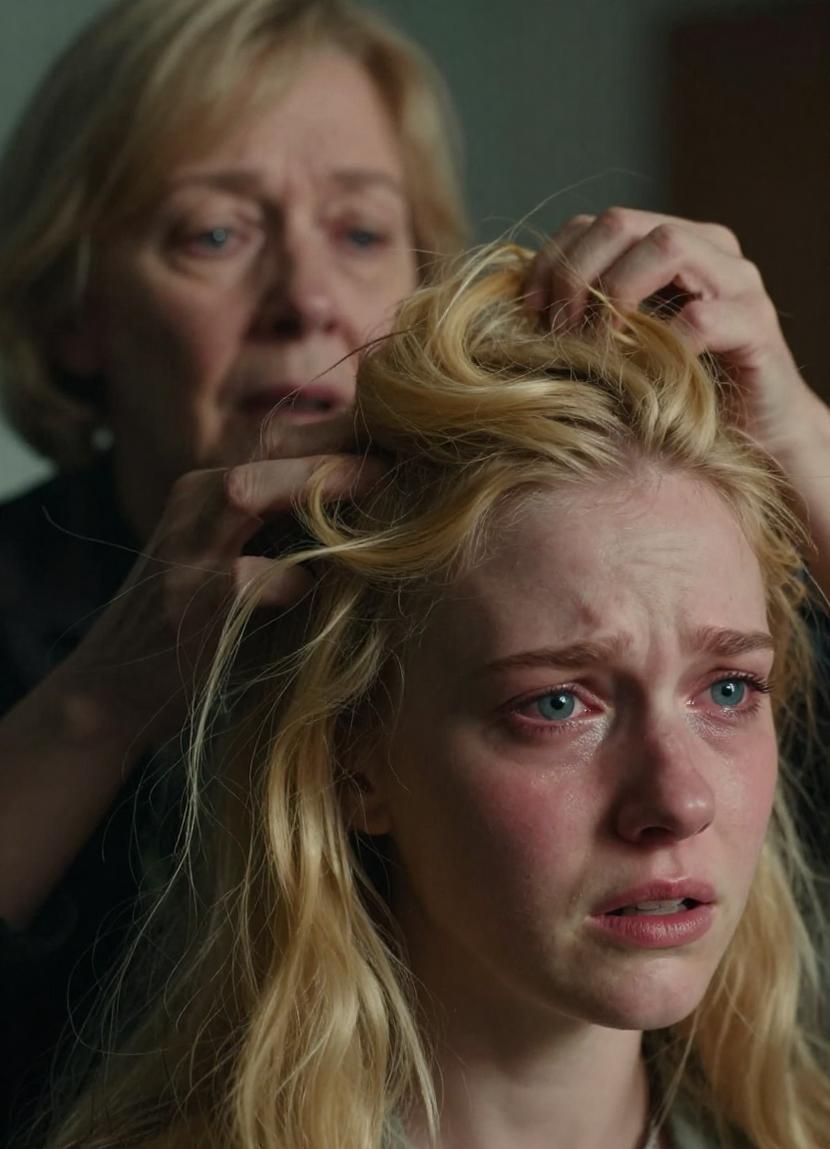
Two weeks later, Maya held a party ‘to honor her courage.’ She invited our entire social circle. Midway, I tapped my glass with a fork, rallying the guests. ‘Maya, make a speech! We’re so proud of you!’ With practiced poise she launched into a tearful, rehearsed monologue. As she neared the emotional peak, I stepped forward, embraced her, and in one swift motion peeled off a bald cap she’d worn as a mask.
Her golden hair cascaded down past her waist. A scream tore from her throat. My mother gasped, clutching her chest, stunned into silence. I switched on the TV and played a secret recording: Maya rehearsing her cancer speech alone, smirking in the mirror. She didn’t even flinch—just stormed out, furious.
The next morning, my mother slapped me, her voice trembling, ‘How could you embarrass Maya while she’s fighting cancer?’ I stared back, cheek burning. Unbeknownst to me, Maya had already spun a new web of deceit, claiming I had torn out her expensive, ‘realistic hair extensions’—the ones she spent thousands on to hide her baldness. My parents, desperate to protect her, swallowed it whole.
Maya’s manipulation escalated rapidly. She returned with forged medical documents—appointments, test results, treatment schedules—that looked terrifyingly authentic. She painted me as emotionally abusive, jealous of the attention she was garnering. An emergency therapy session was booked, with the therapist warned I had signs of narcissistic personality disorder.
Those sessions were torture. The therapist listened with sympathy as I tried to expose Maya’s lies, but every word was twisted into evidence of my ‘denial’ or ‘jealousy.’ Meanwhile, Maya continued to dismantle my life. She destroyed my laptop, erasing years of schoolwork and college applications. Rumors spread, branding me unstable, an aggressor toward my supposedly ill sister. Friends turned their backs. My lunch table was empty—alone, I nursed my isolation.
Then came the letter from my dream university, halted by an anonymous tip about ‘concerning behavior.’ My acceptance was put on hold pending investigation. I knew who was behind it.
Desperate, I gathered proof. Tiny voice recorders hidden throughout the house captured late-night phone calls—Maya laughing with friends about duping our parents, boasting about wrecking my future. I saved every file.
My last hope was Aunt Clara, ever skeptical of Maya’s theatrics. Over the phone from a payphone, I laid bare the truth. She agreed to come immediately.
That weekend, Aunt Clara arrived, playing the role of concerned aunt flawlessly. In private, I showed her the evidence. Her face darkened with each recording. With legal experience in medical malpractice, she instantly saw the telltale signs in the forged papers.
At dinner that night, Aunt Clara probed Maya about her treatment. When asked for her oncologist’s name, Maya excused herself to the bathroom. Seizing the moment, Aunt Clara played my recordings for my parents. My mother turned pale; my father’s jaw clenched, rage simmering beneath his disbelief.
When Maya returned, silence fell like a storm. Father rose and demanded, ‘Do you have cancer, Maya?’ Tears welled, but he pressed on. Then she exploded, furious and raw, confessing everything: the lies, the sabotage, the resentment that festered from feeling invisible beside my accomplishments. She screamed that destroying my bike was the only time she felt powerful.
The breakdown was brutal. She lunged at me, screaming that I had stolen her life simply by existing. My mother tried to stop her and was scratched deeply in the arm. The sight of blood shattered the room’s tension. Aunt Clara called 911. Paramedics took Maya away for psychiatric evaluation.
What followed was a quiet reckoning, riddled with apologies and remorse. My parents were horrified—not just by Maya’s deceit, but by their own blindness. Diagnosed with narcissistic personality disorder and borderline traits, Maya was placed in long-term residential treatment.
The house was peaceful but heavy with what was lost. Slowly, careful healing began. I shared Maya’s confession recordings with my university, and my admission was reinstated. My parents showed up at every awards ceremony that senior year, pride real and tender.
Recovery is no straight path. Maya spent two years in treatment, attended family therapy sessions—awkward and painful as we relearned boundaries and accountability. She issued sincere apologies, specific and heartfelt. This was a beginning.
Exactly two years after the confrontation, Maya stood nervously on my doorstep. Freshly discharged into a transitional apartment, she looked calmer, healthier. ‘I know I have no right to ask,’ she whispered, hands twisting, ‘but… can we ever be sisters again?’
I looked at her, the woman who had tried to unravel my life. I didn’t see a monster—just someone sick, struggling to heal. Memories flashed—the pink bike, the bald cap, years of heartbreak. Then hope settled. ‘I don’t know, Maya,’ I answered honestly, ‘but maybe… maybe we can try.’ I stepped aside, held the door open. Not forgiveness—not yet—but a fragile start.
College became my sanctuary where I was defined by my work and friendships, not by family drama. Majoring in biochemistry, I lost myself in the elegant precision of science, far from chaos. My parents and I rebuilt our relationship, from strained apologies to something near normal.
Maya’s path was more complicated. Residential treatment led to outpatient therapy and a part-time job in a bookstore. There were slipups—jealous moments, old manipulations. But also growth. She began owning her mistakes, identifying emotional triggers, and building healthier coping strategies.
The first holiday home, tension shrouded our dinner table like a fog. Yet by the end of my sophomore year, a change emerged. She offered to help me study for organic chemistry. We sat together in her modest apartment surrounded by textbooks—two sisters, once lost, now tentatively trying to reconnect. It was fragile, brand new, but it was real.
At graduation, with my parents and a surprisingly supportive Maya in the audience, we found a tentative rhythm. Not the childhood friendship I yearned for, but a relationship grounded in hard-won respect, honest boundaries. The night before I left for graduate school, Maya gave me a small gift—a framed photo of us as children, grinning wide before everything had fractured. I hung it in my new apartment, a reminder that people can change, families can heal, and sometimes, forgiveness is a door worth opening.