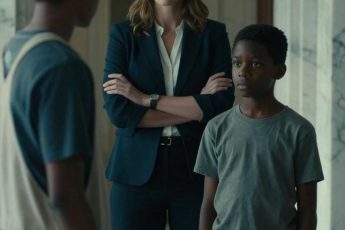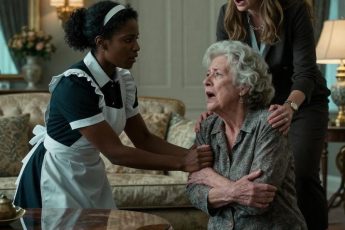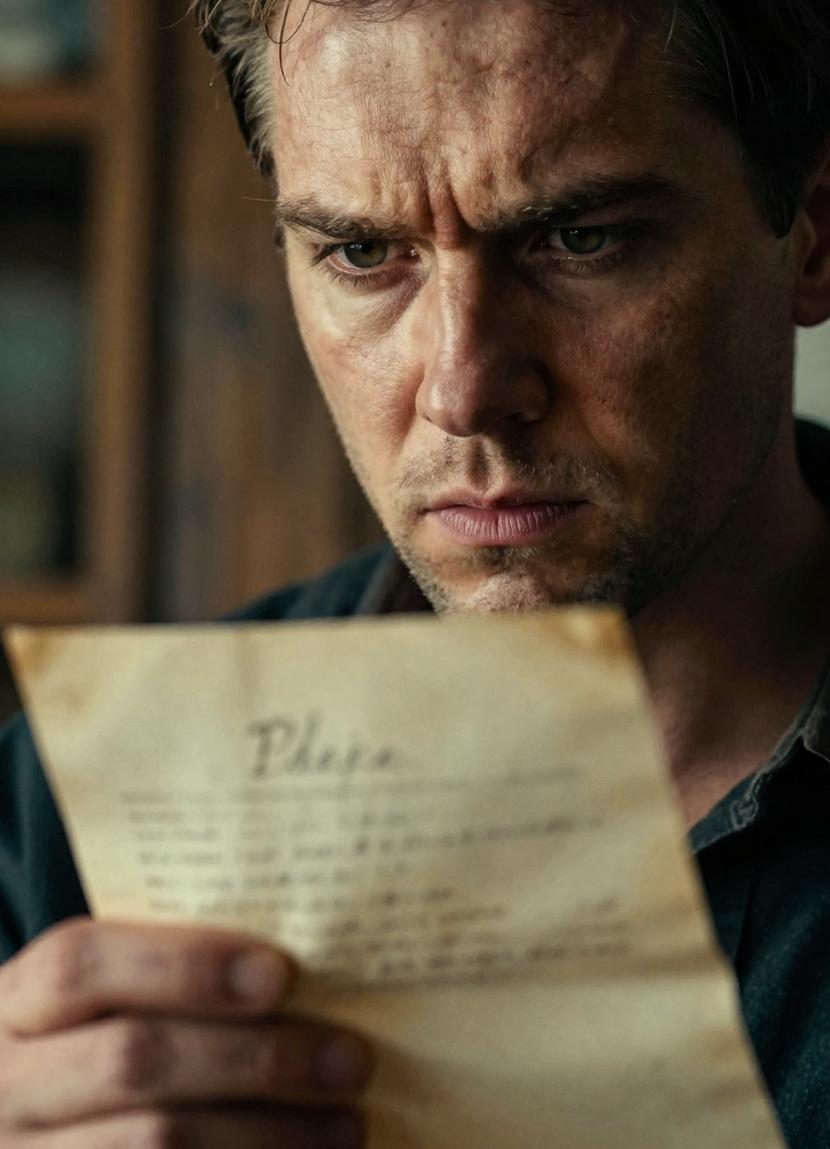
I never imagined the very blueprint my father meticulously crafted to safeguard our family’s future would become the fracture line that tore it all apart. At 35, I’m a senior software architect at a top Seattle tech firm, walking the path my dad always dreamed I’d tread. “Technology is the future,” he’d boast with pride, chest swelling when I got into the University of Washington’s computer science program. Though he was no tech expert himself — a craftsman at heart with calloused hands — his vision was sharp.
Starting from scratch in the harsh economic downturn of the late ’80s, my dad launched his construction business armed with nothing but a beat-up pickup, his toolbox, and a stubborn belief in his dream. Mom often reminisced about those lean years — cramped apartment living, every penny stretched thin. But dad’s secret weapon was his philosophy. “Build relationships, not just buildings,” he’d say. “Trust first, profits will follow.” He was right. The company flourished, earning acclaim for restorations of Seattle’s historic landmarks, and becoming a pillar in the community.
He taught me more about leadership through weathering the 2008 crash than any business school lecture. When competitors folded, he refused layoffs, slashed his own pay to zero, and even mortgaged his cherished 1967 Mustang to keep the payroll intact. “Employees are family,” he said. “You protect family, and they protect your legacy.”
Those lessons shaped me. As a team lead, I mirrored his ideals: fostering transparent communication, detailed planning, and nurturing bonds. Olivia, my wife, came into my life during a college hackathon. Dad instantly adored her. “She keeps you grounded,” he said after their first dinner. “Don’t let her slip away.” He even supported Olivia’s marketing startup, spreading his network and business wisdom generously.
Life was a serene rhythm built around those Sundays at my parents’ house, gathered on the back deck Dad built himself. He would grill as we shared laughs and stories — a warm backdrop against the backdrop of his beloved Craftsman home, a testament to his spirit and craft. Every nail, every repair was documented meticulously in a spreadsheet he kept like sacred scripture. His garage was a shrine of orderliness — a woodsy sanctuary scented with sawdust and motor oil — where I learned the art of restoration alongside him. Our three-year resurrection of his classic Mustang wasn’t about the car — it was about patience, process, and pride. “Right tool for the right job,” he’d remind me. “Shortcuts only cost you later.”
When Olivia and I bought our first home, Dad was a weekend fixture, teaching me drywall fixes and fan installations, prepping me for the mantle of responsibility. Always teaching, always building, ever strategizing for the future — that was his rhythm.
Then exhaustion crept in. Day by day, Dad grew wearier, but wave-off worries as the toll of his biggest project yet — a sprawling multi-million-dollar development. He never sought medical advice. The shock hit like a thunderclap — a sudden massive heart attack on a construction site, only 58 years old. Mom’s sobbing call during a meeting until she barely could speak burned the moment into my memory forever.
The following weeks blurred with grief and legalities. The funeral overflowed, a testament to the impact and lives Dad touched across Seattle. Mr. Carlson, his trusted attorney, summoned us with an imposing accordion file marked — in Dad’s own hand — “Family Security Protocol.”
“In my three decades, I’ve never seen an estate plan this detailed,” Mr. Carlson said, awe in his voice.
Inside, a fortress of color-coded folders mapped every family asset and wish. The house — Dad’s pride and legacy — was left to me. A handwritten letter detailed why: his trust placed squarely on my shoulders to preserve the legacy intact. The business was set to run autonomously for five years, cushioning mom financially.
Mom found solace in a church bereavement group, meeting Greg — a widower and group leader. At first, I silently celebrated her finding support, but their friendship accelerated with dizzying speed. Coffee turned to lunch, lunch to dinner. Half a year after Dad’s passing, Greg moved in, accompanied frequently by his grown children: Ethan and Maya. “It’ll be good to have life back in the house,” mom said, but the chill in my gut warned me otherwise.
I tried to be supportive, but it felt as though she was erasing everything Dad had painstakingly built. The changes began subtly: new hair, different clothes. Then she tore up the garden Dad designed just for her. “Fresh start,” she’d say each time I challenged her. The woman who used to pour hours into stories of her life with Dad now barely breathed his name.
The house began to mutate. Greg’s charm turned into a harsh claim of ownership. One weekend, I returned to see contractors ripping out the built-in bookshelves Dad and I had crafted — our final masterpiece — being smashed and tossed aside. Greg orchestrated the demolition, dismissively ordering, “Just dump this old wood.”
Anger surged. “What do you think you’re doing?” I demanded.
Greg smirked, eyes cold. “Son,” — that word like an insult — “the house needs updating. Your father’s taste is outdated. We’re increasing property value here.”
I reminded him the house was legally mine and that no changes could be made without my consent. He only laughed. “Your mom and I live here now; we don’t need your permission.” Mom stood silently next to him, her nod a betrayal. Shelves once adorned with Mom’s carefully arranged teacups now reduced to “clutter” in her eyes.
While I was away on business, Ethan held a garage sale and sold nearly all of Dad’s tools. The workshop, a sacred space, was transformed into a gym. Maya treated the house like her canvas, painting over historically accurate walls and substituting Dad’s beautifully refinished hardwood floors with cheap vinyl. They erased the kitchen doorframe height marks Dad had made to chart my childhood growth. “It’s just an old doorframe,” Mom said coldly when I confronted her. “We can’t keep every scrap just because Dad touched it.”
Greg then demanded the deed bear their names. “Since we’re here, it’s only fair,” he argued. I explained the mortgage was paid off years ago, covered by a trust Dad created. They didn’t even pay property taxes or utilities — I did. Greg started sending bills for unauthorized “improvements.”
Things deteriorated rapidly, until the final blow. Returning home, I found them tearing out custom crown molding Dad had milled himself to match the house’s historic style. Watching those exquisite carvings reduced to rubble shattered something inside me.
Calm but resolute, I confronted them. “You have two weeks to move out,” I said, voice cold and steady.
Mom burst into tears, accusing me of heartlessness. Greg tried intimidation, listing their community roots, his job, the church. But I stood unwavering. “I own this property,” I said, channeling Dad’s voice echoing in my soul. “He left it to me for a reason, and I’m enforcing his wishes.” Maya, heavily pregnant, pleaded with sobs, “How do you evict your stepsister?” Mom wailed, “She’s carrying a baby!”
Word spread fast. Waves of emotional pressure crashed over me — relatives lecturing on loyalty, pastors speaking of filial duty, even old family friends who hadn’t been at Dad’s funeral suddenly claiming to know his will. But as I sat through the two-hour intervention on our front lawn, a strange peace settled in.
When the crowd exhausted their fury, I stood and shared Dad’s blueprint, the precise estate protocols, and photos exposing the damage Greg’s family inflicted. I read Dad’s letter aloud, words filled with trust, responsibility, and a plea to preserve legacy. Some older business partners nodded quietly, understanding dawning as anger dissolved. The crowd dwindled.
On the dawn of the deadline, accompanied by my lawyer and locksmith, I returned to find the house empty. As Greg loaded Maya into the truck for the last time, he sneered, “Happy now? Your father would be proud of how you treated your mother.” I didn’t answer. Dad had planned for this moment — that much was clear.
Walking through the house was a heartache. Irreplaceable woodwork ruined, the workshop desecrated. The road to restoration will be long and painful.
Mom lives with her sister now; most relatives have cut ties. Through it all, Olivia is my unwavering anchor, reminding me daily of Dad’s trust and legacy. I’m working with restoration experts and Dad’s old craftsmen friends to bring the house back. It won’t be perfect; some scars remain. But I will honor Dad’s legacy. Sometimes being the villain in others’ stories is the cost of doing what’s right. I’m prepared to pay.
As Dad always said, “Integrity isn’t the easy path; it’s the right one, even when it breaks your heart.” I believe he’d understand.