This Christmas, I felt a rare sense of calm and hope. For once, I wasn’t scrambling. Weeks before December even began, I had carefully picked out presents for my parents, my brother Mateo, his wife Sofia, and their two children. I even wrapped a few extra gifts, just in case someone unexpected showed up. There was an unshakable feeling stirring inside me — this year would be different, better.
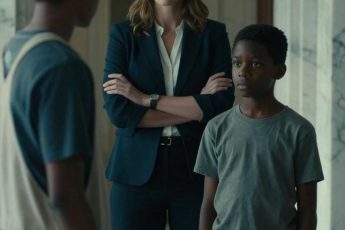
But that hope crashed the instant my mother opened the door. I stood frozen on their porch, frost crisping the edges of my cheeks, clutching one colorful bag of gifts in each hand. Instead of a warm embrace, my mother’s face was tight, eyes avoiding mine, her voice low and strained. “We don’t want you here this year.”
At first, I laughed nervously — it had to be some cruel joke. Then Mateo’s voice, sharp and dripping disdain, pierced the silence behind her. “This is no place for losers,” he sneered. “You’re wearing us all down.”
My heart slammed against my ribs. I glanced past my mother to my father, who lingered inside, his eyes darting anywhere but my direction. He stayed silent. My mother didn’t budge, caught somewhere between sorrow and resolve. Mateo stood there, smug and untouchable.
Humiliation, fury, disbelief—thousands of emotions swirled inside me, threatening to engulf me whole. Somehow, I steadied my voice. “Fine.” I nodded sharply. “If that’s what you think.” Without another word, I turned, the weight of the gift bags suddenly unbearable, and walked back to my car.
Sitting behind the wheel in my driveway minutes later, staring at the presents in the passenger seat, I was haunted by those words: no place for losers. Tired of me. Mateo was clearly behind this, but why? For years, I had constantly extended generosity: paying for the kids’ summer camps, school supplies, even helping with their mortgage when foreclosure loomed. And yet, to him, I was suddenly a burden — a loser unworthy of Christmas.
Determined to find answers, I left the gifts in the car and returned inside without knocking. My parents hovered at the doorway, whispering nervously, while Mateo lounged on the couch, scrolling on his phone as if nothing had happened. Sofia sat tucked in the corner, her expression swallowed by shame.
“What is going on?” I demanded, voice sharp enough to cut glass. “Why am I not welcome? What have I done?”
Mateo smirked without looking up. “You don’t get it. You’re slacking. The kids barely got anything from you this year.”
I blinked, stunned. “What? I’ve spent hundreds on your children’s gifts. There are more presents waiting in my car for them than anyone else.”
He finally met my gaze, disappointment etched deep across his face as though I’d personally failed him. “You did more last year. This year, it’s like you don’t care. It’s embarrassing.”
I searched my parents for support, but all I got was a hesitant smile from my mother. “Well, you did just buy that new car,” she said quietly.
“The car’s on credit,” I said, voice ice-cold. “And even if it wasn’t, how does buying a car make me responsible for Mateo’s children? They are not my financial obligation.”
Leaning back, arms crossed, Mateo’s voice took on a final tone. “You’re the one making the most money. Families help each other. You always have.”
“So that’s it?” I shot back, voice rising. “Because I helped once, I’m forced forever? Buy something for myself and suddenly I’m a loser?”
“If the shoe fits,” he shrugged.
I laughed bitterly. Turning to my parents, I said, “You know what? You’re right. I don’t belong here.” Then I fixed Mateo with a hard stare. “Enjoy your Christmas. And good luck with those presents, because this loser is done paying for your life.” I left before they could answer, gripping the steering wheel so tightly my knuckles whitened.
As the evening wore on and my fury cooled, the truth became clearer. This was no sudden falling out. Mateo and Sofia had struggled since their wedding. He bounced through jobs, and she barely worked part-time. I had stepped in to help—temporary loans, emergency bills, rent when eviction loomed, childcare after their second child was born. But that ‘temporary’ stretched into years.
My generosity had become a crutch, an expectation. Mateo’s calls for money always came first, and I always answered. Not out of obligation, but because I loved his kids and didn’t want them to suffer.
But I’d been enabling a dangerous pattern—and tonight, when I chose to live for myself, I was cast out.
The next day, a cold clarity settled. I was done bailing Mateo out. No more covering his mistakes. The holidays passed in silence—no texts, no calls. I was alone, for the first time, during Christmas and New Year’s, a hollow solitude that burned.
Then, out of nowhere, Sofia reached out one evening. Her message was brief: ‘I’m sorry. I don’t agree with what happened. Mateo won’t listen to me, but you should know.’ It gave me some comfort — but also stung, because she had been silent when it mattered most.
In early February, Mateo stormed into my house without warning, his face drawn and angry. “We need to talk. Stop this tantrum and start helping again.”
I laughed, harsh and sharp. “Helping? You mean paying for your life? No, Mateo. I’m done.”
His scowl deepened. “You have the money! Do you know how hard it’s been since you cut us off? The kids barely have enough!”
I snapped, “You’re a grown man. If you need money, get a job. It’s not my responsibility.”
“You always helped! Why are you selfish now?”
“Selfish?” I echoed, incredulous. “Look who turned my parents against me, banned me from Christmas because I didn’t meet your invisible quota. Now you show up demanding more? Get out.” He glared and stormed out.
I thought that was the end. But two days later, a lawyer called.
“Mr. Herrera represents a client with serious financial concerns regarding your family. Specifically, your monetary contributions to your brother Mateo,” the voice said with forced courtesy.
My blood ran cold. “Who’s your client?” I demanded.
“Cannot disclose over the phone, but this isn’t a lawsuit. It’s an investigation.”
I agreed to meet. Sitting in Lucas Herrera’s sterile office the next day, my heart pounded as he slid a thick file toward me. “My client is Sofia.”
Shock pinned me to my seat.
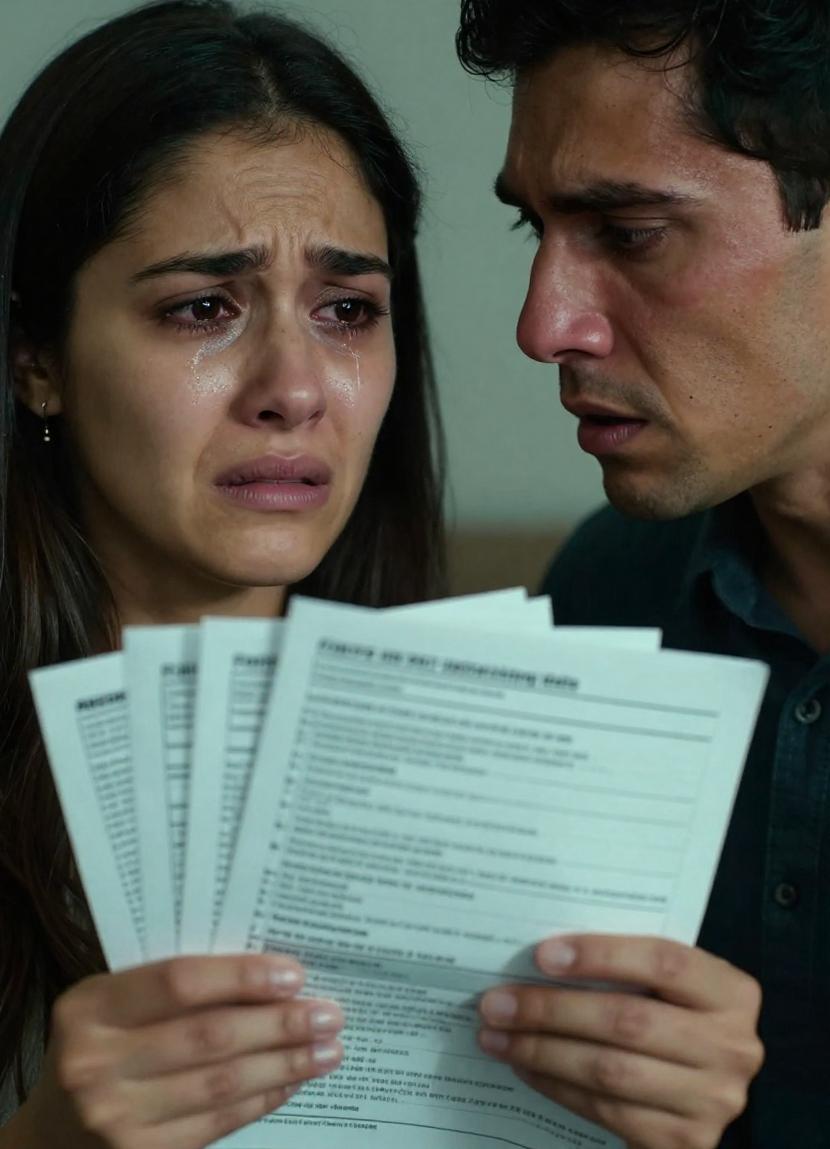
Lucas revealed Sofia’s suspicions: Mateo had hidden the money I’d given him, funneling it into a secret account to fuel gambling and lavish expenses. Bank statements, receipts, screenshots spilled across the desk—proof Mateo hid funds from both Sofia and me.
Withdrawals from the known account matched transfers to the secret one. From there, money flowed to online gambling sites, upscale restaurants, even hotels.
Every dime I thought supported his family had been stolen to support his lies and addictions.
Sofia had only just uncovered this hidden account but was now weighing separation.
The betrayal hit me harder than anger. Despite everything, I felt pain for their family unraveling. But above all—relief. For the first time, I wasn’t the one bearing Mateo’s load. I vowed never to be manipulated again.
The final confrontation came in a strained call. Mateo snapped, “You’ve been putting ideas in Sofia’s head! She’s talking lawyers, separation!”
My anger erupted. “You want to blame me? You lied, gambled away what I gave you while I broke my back helping. Sofia told me everything—the secret funds, the gambling. If she’s had enough, that’s on you. I’m done.” I hung up, shaking.
Weeks later, Sofia texted: ‘We’re leaving today.’ She had fled with the kids while Mateo was away, starting fresh. She asked if I could help with first month’s rent. “Say no more. I’ll handle it.”
For the first time, giving felt right. No longer enabling a liar, but helping victims build safety and hope.
When Mateo returned to an empty home, his rage poured into a furious call. I listened, then quietly said, “Maybe this wouldn’t have happened if you’d been a husband and father instead of a gambler. Good luck.” I hung up.
Mateo still blames everyone but himself—but I’m free. Sofia and the kids are thriving with a stable job and brighter futures. Our bond is stronger than ever.
And me? I’m no longer the family ATM or the scapegoat. I am finally building a life that’s mine alone, one I’m proud to claim.