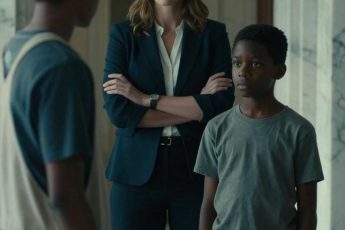
For decades, my family has overshadowed every moment that should have been mine. My name is Isabella, 35, and I’ve long been the invisible sister in the shadow of my older sister, Kara, the golden child. Our suburban home has always been a shrine to Kara — her trophies, her stories, her victories — plastered on every surface, reverberating in every conversation. But this time, when they hijacked my carefully planned vacation for Kara and her kids, I had a secret plan, a quiet rebellion they never saw coming.
I can still see my 10th birthday etched in sharp contrast: my parents hustling anxiously, too consumed with Kara’s looming college interviews to even buy a cake for me. Instead, they shoved a leftover from Kara’s graduation party in front of me—a cake that still bore her name in swirling icing. It was the first of many moments I was relegated to the backstage.
My wins never got their spotlight. When I made honor roll in middle school, their eyes barely flickered because Kara had just been chosen for the debate team. My victory in a painting contest during high school meant little — they missed the ceremony since Kara was touring campuses. I became a professional at muffling my pride, hiding my joy because all it ever earned me was a half-hearted, ‘That’s nice, dear,’ before Kara’s name filled the room once more.
Our home spoke volumes: Kara’s room gleamed with the latest gadgets and a wardrobe fit for her endless activities — mine was a collection of well-worn hand-me-downs. When I begged for music lessons, I was handed Kara’s rusting violin. ‘We already spent so much on Kara’s piano lessons,’ my mother said flatly, crushing dreams of my own instrument.
High school only deepened the divide. I praised library books and self-study while Kara enjoyed private tutors for her SATs. They took out a loan for her to buy her college car. I was advised to take the bus.
When Kara graduated from a renowned university with full support from our parents, I was told they could only fund half my public school tuition. ‘We’re still paying off Kara’s student loans,’ they said, their voices full of tired excuses. I juggled two part-time jobs, often falling asleep on my textbooks, invisible and unsupported.
Seven years ago, Kara’s wedding became a yearlong family obsession. My parents drained their savings, taking loans to orchestrate her fairy-tale day, with a designer gown and a guest list that rivaled small towns. I was her maid of honor, a title that came with coordinating lavish showers and endless planning, while my own stress was dismissed with, ‘Don’t be selfish, Isabella. This is Kara’s day.’
Then came the twins. Kara’s pregnancy ignited parental frenzy. Despite still repaying the wedding debt, they poured money into a house near them for her, sacrificing the retirement fund they claimed was inaccessible when I needed help with college. ‘This is different,’ they insisted. ‘It’s for our grandchildren.’
And the default babysitter? Me. It started sporadically, morphing into weekly, then nightly duties. ‘This is what family does,’ they said, as if I had no right to say no. Kara and her husband Jake expected me always to be on call.
I love my nephews fiercely, but those seven-year-old twins drain every ounce of my energy. Weekends became hostage moments — Kara dropping them off unannounced, citing ‘me time’ or errands. My tiny apartment turned into a war zone of toys, chaos, and destruction. When I asked them to respect boundaries or give warnings, Kara burst into tears about how stressed she was, and my parents accused me of abandoning the family.
On the cusp of a big promotion in marketing demanding more hours and travel, I dared mention my plans at a family dinner, hoping for applause. Instead, my mother’s eyes sharpened: ‘What about the twins? Your sister needs you.’ Kara chimed in urgently, ‘Who will help me?’ Father echoed, ‘Family comes first, Isabella. You don’t know tired like we do.’ When I voiced my exhaustion, Kara snapped with venom, ‘You’re jealous because you’re still single.’
After one shattering weekend—the twins ruined my laptop and left permanent scars on my couch—I knew escape was vital. I found a modest resort on the quiet Seabreeze Coast, a place untouched by family demands, where I could be free.
Bringing it up at the weekly family meal was a mistake. Mother’s eyes sparkled in an almost predatory way. ‘Perfect! We should all go! The twins would love the beach!’ Before I could object, Kara was commandeering details. ‘You’ll take the boys swimming while Jake and I have some alone time,’ she declared, as if my vacation was simply extended babysitting. Even my parents offered to upgrade the reservation for all of them, dismissing that it was supposed to be mine.
That night, suffocated yet determined, I booked a separate resort on a secluded island, a secret sanctuary. Quietly, I prepared, secretly arranging time off and packing under the radar.
Drama was inevitable. At the airport, I chose a different terminal and checked in early, watching from behind the glass as they gathered — Jake fussing over tickets, my parents beaming, Kara wrangling the twins. They were oblivious as I slipped through security, freedom in hand.
My phone erupted with frantic messages: “Where are you?” “Is everything okay?” “How could you do this? The boys are crying!” Before boarding, I switched off my phone, a strange cocktail of relief and guilt washing over me.
The island was a balm to a weary soul. No chaos, no duties — just the endless ocean, warm sand, and peace. The first days were tough; shaking off decades of self-sacrifice is never easy. But by the third day, I was laughing in a surfing lesson, forging friendships in beach yoga, and sharing a candlelit dinner with a charming stranger at the resort’s café.
Turning my phone back on after five days was daunting. Hundreds of missed calls and messages greeted me. Mother’s voicemails twisted from worry to wrath to guilt-tripping: ‘How could you abandon your family? The twins are heartbroken. Did we raise you this way?’ Kara’s texts stabbed: ‘You ruined everything. The boys keep asking for Aunt Isabella. I’m drowning in meetings; Jake had to rush back.’
Only my father’s message felt different — hesitant and uncertain. ‘Isabella, please tell us you’re safe. I don’t understand, but…’
I responded once in the family group chat: ‘I’m safe and having a great vacation. Will reach out when I’m back. Please respect my space.’ Then silence, as I muted the conversation.
Those days transformed me. I devoured books, shared unhurried conversations with fellow travelers, watched fiery sunsets, and finally faced years of buried pain in my journal. A waitress at Sandy Shores Bistro told me something profound: ‘Family’s important, but never at the cost of your own soul. Putting yourself first? Sometimes that’s the bravest thing you can do.’
Returning home, I stayed in a hotel for two nights, bracing for the storm ahead. I updated work contacts, changed my locks, and drafted unbreakable boundaries. When I accidentally liked a coworker’s social media post, the news of my return spread fast. My mother and Kara bombarded my apartment’s intercom—a furious storm I watched from my hotel window, detached but resolute.
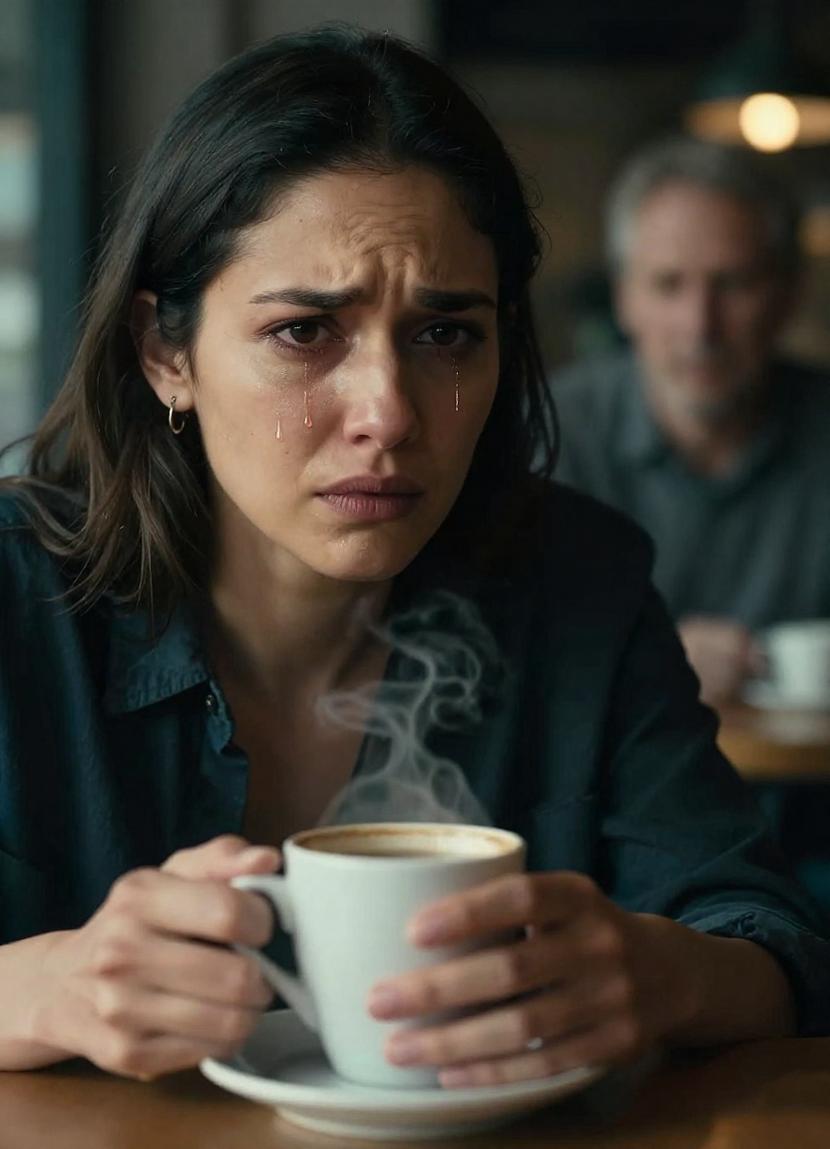
The confrontation was set for The Daily Grind Café. The coffee steamed in my trembling hands as I awaited the arrival of my family—my parents, Kara, and unexpectedly, Jake. They unleashed their rehearsed accusations: Kara’s tears about the twins’ trauma, mother’s guilt-laden speeches, Jake’s half-hearted compromise of every other weekend babysitting.
Then Kara’s cutting declaration: ‘You’re selfish. Family means sacrifice.’
Something fractured inside me. Calmly but firmly, I challenged them: ‘Yes, family means sacrifice. But it’s supposed to be mutual. When was the last time any of you sacrificed anything for me?’
A stunned silence followed as I unveiled the truth — years ignored, finances unevenly allocated, my life undervalued. I laid bare my calendar, each weekend yoked to babysitting, every holiday reshaped by their needs.
Mother tried to override me: ‘But that’s what aunts do!’
For the first time, I snapped, ‘No. That’s what hired babysitters do. Kara, if you need this much help, maybe it’s time to hire one.’
The tone shifted. Kara fled, followed by mother’s storm of anger. Jake stayed behind, admitting their exploitation of my kindness. Father, after a long pause, muttered, ‘We never meant to hurt you.’ Not an apology, but a crack in their armor.
I executed my plan. Moving silently, I settled into a new neighborhood, changed my number, and shielded my life in layers of new routines — pottery, book clubs, and accepting dinners with coworkers for the first time in years.
My family’s backlash was fierce but expected. Mother tried calling my workplace; I was unreachable. Kara even showed up at my office, but security was prepared. Jake surprised me with a sincere email apology and changed his role as a parent.
Father’s occasional texts awkwardly sought connection, while my mother oscillated between fury and cold silence, declaring I needed an “intervention.” Kara’s subtle barbs about ‘selfish sisters’ lost their sting.
My sanctuary — my new home — finally feels like mine. Pottery shards and photos of my chosen family decorate the space. I am learning Spanish and embracing a local hiking group. This isn’t an end. It’s a beginning.
Unexpectedly, Father appeared at my workplace one afternoon. For the first time, he saw me not as Kara’s shadow but as Isabella, his daughter. ‘You look healthier. Happier,’ he said, visibly moved. He shared the family’s offer of compromises — weekends off and payment for babysitting. I smiled gently, ‘Dad, I’m not negotiating my freedom. I’m living it.’
We talked openly, him listening as I described decades of being overlooked and sacrificed for Kara’s needs. He finally confessed, ‘We thought we were doing what was best for the family. We never realized how much we were hurting you.’
Though not a full apology, it was enough — a bridge to something new. As we parted, he embraced me warmly, whispering, ‘I hope someday we can be part of your life again, but on different terms.’
The storm outside continues; mother’s intervention plans and Kara’s snide remarks swirl around me. But none of it reaches me now.
I have reclaimed my time, my peace, and most importantly, myself. For the first time, I look forward to what’s next with hope and an open heart.