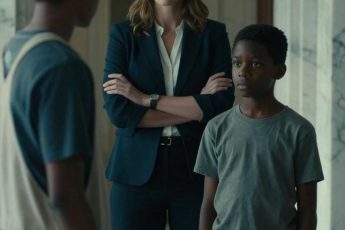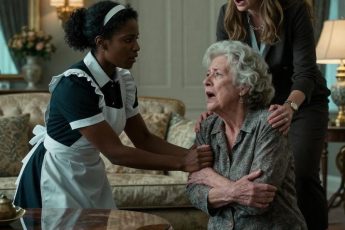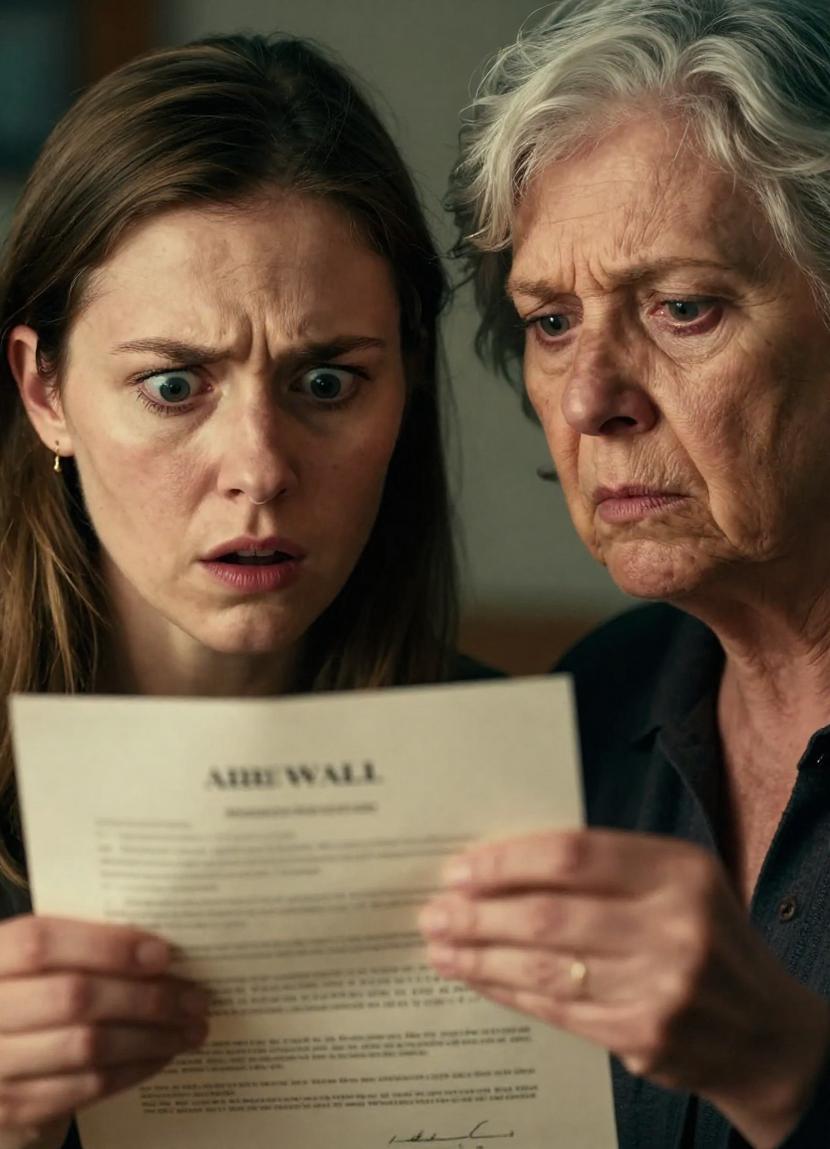
Our family legacy was tangled in favoritism, a deeply rooted pattern that shaped every moment of my childhood. My younger sister, Ellie, was the unquestioned favorite, especially in my dad’s eyes. The bias was blatant and unrelenting, casting a long shadow over my life.
Ellie was the golden child from the start. I still vividly remember her second birthday—an extravagant celebration with professional face painters, a bouncy castle, and even a petting zoo. Meanwhile, my fifth birthday that year was a modest affair: a simple store-bought cake and a small family dinner. That moment planted the seed of a painful disparity that only deepened with time.
Growing up, the contrasts could not have been starker. Ellie received the latest toys, sparkly new clothes, and constant attention, while I struggled to be seen. When I finally saved enough allowance to buy a shiny new bike at ten, Ellie, upset she didn’t have one, threw a tantrum. Instead of teaching her patience or saving lessons, my parents spoilt her with a bike even nicer than mine.
The favoritism spilled into school life as well. My parents showed up religiously to every one of Ellie’s school events, but my milestones were usually overlooked. When I earned the lead role in the fourth-grade play, I devoted weeks to rehearsals. But on opening night, my parents arrived late, missing my pivotal scene because they were busy comforting Ellie, feigning concern over a stomach ache she later shrugged off. They’d simply lost track of time playing with her.
Academically, my parents remained indifferent. Despite straight A’s, being president of the math club, and winning a regional science fair, their praise was withheld. Yet when Ellie earned a B+—her highest grade—in her weakest subject, my parents showered her with a celebratory dinner and a new phone.
High school became even tougher. I threw myself into every possible activity—maintaining a perfect GPA, editing the newspaper, leading the debate team—doing everything to win their approval. Meanwhile, Ellie coasted with barely passing grades and focused on her social life.
When I was accepted into a prestigious summer program at Harvard, it should have been a proud family moment. Instead, my dad grumbled, steering conversation toward Ellie’s upcoming dance recital, and my mom merely muttered, “That’s nice.” The night of Ellie’s concert clashed with my airport departure, and my parents opted to attend her performance, forcing me to scramble for a ride.
Even college applications brought agony. My hard work earned me acceptances with scholarships to elite institutions, but my parents’ reactions were lukewarm—warnings wrapped in backhanded compliments. Conversely, when Ellie dropped out after barely scraping through high school, they praised her “self-awareness” and rebellious spirit, even gifting her a car.
Years of this favoritism carved deep wounds. Anxiety and despair shadowed my teen years, pushing me into therapy. I gradually learned that their favoritism was not my fault, and painstakingly built my own self-worth. Against all odds, I graduated with honors, landed a good job in finance, and bought my own home at 27—achievements they barely celebrated.
Then Grandpa died.
Grandpa, a self-made businessman, left behind a substantial estate. His will was clear and fair, dividing inheritance equally among all grandchildren—Ellie, me, our cousins—and his children. My share was nearly $500,000—a life-changing sum that could clear debts and fuel dreams.
When the will was read, my joy was tempered by my parents’ visible distress. Later, they cornered me, insisting the equal shares were unfair. Ellie, living part-time in our parents’ basement, working a coffee shop job, pleaded for more funds, claiming hardship. I was stunned but firm. Grandpa had decided—no one else had a say.
Their pleas escalated into anger and manipulation. My father, acting as executor, announced he’d “interpret Grandpa’s wishes” to award my entire inheritance to Ellie, claiming Grandpa would have wanted it if he understood our family dynamics.
I was devastated—this blatant theft echoed years of dismissiveness. I reminded them Grandpa’s principles were equality among grandchildren, reflecting a man who never played favorites. My mother accused me of disrespecting Grandpa’s memory. They argued he privately worried about Ellie’s future, despite having made no such legal provisions.
Caught between betrayal and confusion, I sought Grandma’s counsel. Her fury at my parents’ audacity was fierce. She revealed they’d pressured Grandpa for years to favor Ellie, but he refused, insisting on equal shares. The will contained a protective clause: anyone challenging this equality would forfeit their inheritance.
Armed with Grandma’s support and evidence, I confronted my parents. Their bravado crumbled beneath the truth. Grandma rallied the will’s co-executors and Grandpa’s siblings, who united in indignation. Together, they blocked my father’s scheme, ensuring the will was honored.
My parents, seething, accused me of family betrayal, begging to keep matters private. My mother’s tears and my dad’s threats to exclude me from their will echoed hollowly—I had long since ceased to expect their approval.
The split rippled through the extended family. Some cousins empathized, others chastised me for disrupting peace. Grandpa’s siblings stood firmly by my side, straining their relationships with my parents.
As the dust settled, unresolved pain surfaced. Memories of my overlooked childhood surged with each confrontation. For the first time, I felt empowered, standing up to a lifetime of injustice. I missed a family dinner—our monthly tradition—hurt by cold stares and silent accusations. Despite the turmoil, a fragile liberation notched inside me.
In the six months since I shared my story, monumental changes unfolded.
Legal advice confirmed my entitlement and my father’s actions as unlawful. Thankfully, a court battle was avoided when Grandma and the family’s attorney swiftly secured my full inheritance. The court removed my father as executor. Weeks of tense negotiations and emotional confrontations underscored the clarity of justice.
Family tensions intensified. My parents branded me greedy and unkind to Ellie. At a family gathering, they sparked a public scene, loudly accusing me of robbing Ellie. My mother flung a worn photo album at my feet, tears flowing—a raw crescendo that relatives struggled to soothe.
Grandma became my strongest ally, sharing stories of Grandpa’s pride in my achievements. She showed me a scrapbook filled with newspaper clippings of awards, acceptance letters, and even the play program from that ill-attended night—all reminders that his love was never in question.
Ellie surprised me the most. After honest conversations and Grandma’s guidance, she apologized for not defending me sooner, confessing her own struggle under the weight of parental expectations. The favorite child’s life was far from perfect—it came with burdens no one saw.
Our relationship, fractured for years, began to heal. Ellie declared she would finance her own education with her inheritance, a choice nobody expected. She enrolled in community college, aiming to transfer to a four-year university—a leap towards independence inspired by my fight.
My mother slowly confronted the harm their favoritism caused, initiating therapy and reaching out with tentative apologies. It was a delicate, gradual thaw. Father remained resistant, embittered, often silent, and distant from both Ellie and me.
I used my inheritance wisely—paying off loans, diversifying investments, and setting aside capital to someday launch a business. Finally free financially, I embraced the role I never had: encourager and supporter.
Ellie and I restored our sibling bond on our own terms. Our monthly “siblings day”—hiking, picnicking—allowed us to rediscover joy and mutual respect lost to family favoritism.
Through this ordeal, I learned profound lessons. Sometimes, chosen family heals deeper wounds than blood relatives. Boundaries and self-care are lifesaving. And no one, not even family, should deny you what is rightfully yours.
To anyone trapped in similar struggles, don’t let others make you feel guilty for claiming your rightful place. Family dynamics are complex, but your worth is intrinsic, beyond their treatment. It’s never too late to build the life you deserve. The journey is arduous, but with resilience, hope blooms anew.