In my family, a girl’s fate was sealed the moment she had her first period. No matter if she was barely twelve or fourteen, that blood was a signal: marriage to a man old enough to be her father. I was raised to accept this as inevitable — until I was eleven and everything changed.
That night, I watched my cousin Mireya, just three days into her first cycle, handed over in marriage to a 43-year-old man. His prior wives had died before their twentieth birthdays. The air was thick with fear and whispered warnings. From that moment, I made a silent vow: I would do whatever it took to escape this cruel destiny.
I started starving myself — not because I hated food, but because the skinnier girls in our family always seemed to avoid early menstruation. I became so thin that the other girls mockingly called me ‘skeleton.’ But I didn’t care. They were already being promised to men who had children older than themselves.
Still, the preparations did not stop for me. Every Friday, dawn to dusk, I was a ghost at the family table, serving meals to men with strict orders to stay silent. A glance or a whisper earned me lashes from my mother’s belt. She forced me to clutch burning pots barehanded to harden me for the endless kitchen labor ahead. Before bed, she slathered skin-whitening cream on my face, telling me beauty was my only currency in this life.
I was the perfect daughter on the outside, smiling when I was taught to talk endlessly about my excitement for motherhood. Inside, I was quietly crumbling.
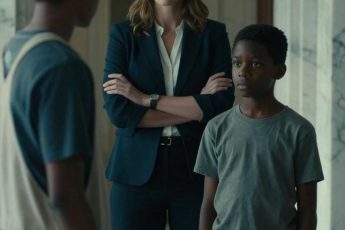
At fourteen, still without signs of my period, a fragile hope sparked. Ms. Gutierrez, a teacher, noticed my gaunt frame one day when I had accidentally worn a T-shirt to school instead of the required blouse. She pulled me aside, concern shining in her eyes.
When she stepped away to the bathroom, she forgot to lock her drawer. I peeked inside—and what I saw changed everything: pamphlets about rights, about forced marriage laws, about protection. My heart pounded as I stole the thinnest booklet, hiding it beneath my shirt.
When the house was silent and my parents believed I was asleep, I devoured every page — memorizing phone numbers for help, shelter addresses, and the exact words to make grown-ups listen. I learned who were mandated reporters—teachers, counselors, even doctors—and how to trigger their action. Then I gathered six younger cousins still untouched by their fate. In my uncle’s dusty tool shed, our clandestine sanctuary, I taught them the words that could save them:
‘They’re forcing me to marry. I’m only thirteen. Please help.’
Two days after I finally bled, my father chose my groom: Haroun Alami, a ruthless construction magnate with a grim reputation. Two of his wives had died young — kidney failure from endless pregnancies, whispered the village women.
When Ayla, one of the cousins from our group, got her first period, she was promised within hours to a 51-year-old collector of young brides. Her sparkle dimmed as they discussed her bridal price like she was cattle. I slipped her my notebook, filled with every address, every law, every way out. “Tomorrow,” I told her, “tell the science teacher. Use your voice.”
“What about you?” she choked out.
“My wedding’s in two weeks. I’ll find a way,” I lied, the tremor in my voice betraying my fear.
But that night the CPS arrived. Confusion froze my father’s face — then fury burned in his eyes as they questioned him on forced marriage. The family circled tight, accusing me of poison, tearing apart the truth I had built. They found my journal hidden in the tool shed and burned it before my eyes, calling me diseased — a cancer to be cut out.
‘Tomorrow,’ my father vowed, ‘she will be married before she ruins everything.’
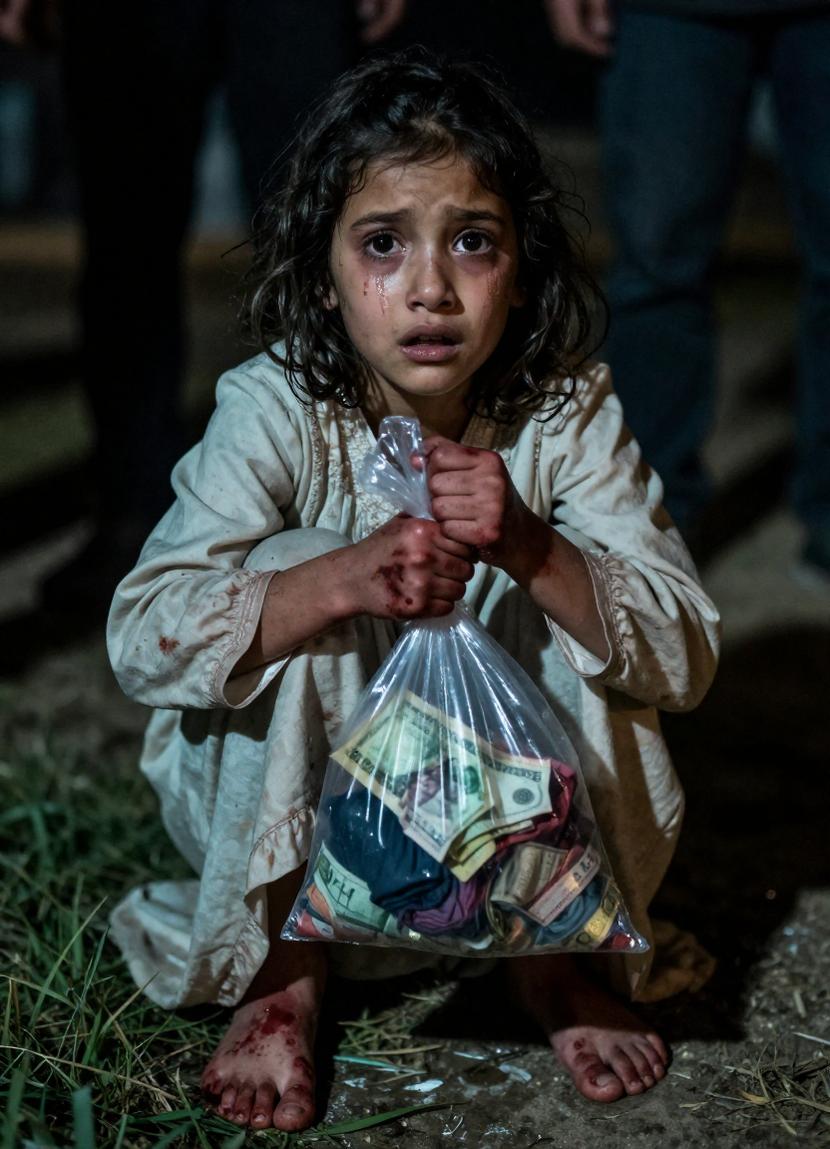
Dawn came too fast. In one hour, I was to be dressed in red and gold, handed to a man tied to the death of two young wives. But as the footsteps neared my door, I clutched a small plastic bag — my lifeline stuffed with stolen money, a change of clothes, shelter addresses — and feigned a painful groan.
My mother entered, radiant in her finest, commanding, ‘Get up—the beautician arrives soon.’
“Mama,” I whispered, barely holding back tears, “My stomach… it hurts.”
Her eyes narrowed. “You were just at the bathroom.”
“Please,” I begged. “I can’t hold it.”
With disgust, she let me go. “Five minutes. The aunties wait.”
Once locked inside, I stood on the toilet, pushed through a carefully loosened ceiling tile—a tiny hole just large enough. My heart hammered as I dropped to the wet grass below, ankle twisting but refusing to break.
Behind me, furious shouts and pounding echoed. I ran barefoot, my nightgown flapping wildly, scattering dog barks and streetlights to my flight. They mobilized fast—vehicles roaring to life, voices calling my name. I dodged, ducked, bloodied but unfaltering.
The bus stop was my beacon. As the morning bus arrived, I burst forward, waving desperately. Without money, I froze—until an elderly woman pressed exact change into the machine and ushered me aboard. ‘Sit, child,’ she said softly. ‘Whatever you’re running from, don’t go back.’
The courthouse loomed cold and vast. Limping through security, leaving bloody footprints, I met the clerk’s gaze. Her kindness cracked the walls I’ve built. ‘Emergency protective order,’ I whispered, voice raw. ‘I’m fifteen. They’re forcing me to marry today. Please.’
She helped me fill forms; then the judge’s voice echoed: “Granted. Effective immediately.”
Hope warmed my freeze, but the shelter’s answer chilled it again: full. No beds for days.
Desperation led me to Lincoln Ridge High, where Ms. Gutierrez blessed me with care and hidden fury. But danger lurked. They tracked me through my phone; my father’s cold voice masqueraded his rage, labeling me “mentally ill,” demanding medication.
We hid, but family pounding stormed the door.
I showed her the scars—the circular burns from holding hot pots, belt wounds, bruises from aborted wedding dress battles. Through tears, I confessed, “I thought it was normal…until your pamphlets.”
She called for help. The pounding turned frantic. Family voices rose with lies: ‘She’s sick, lying!’
The police arrived to find the truth undeniable. Evidence stacked: my injuries, forced marriage papers, my testimony. The CPS supervisor’s words rang clear: “She’s a minor with credible abuse claims. Emergency protective custody is granted.”
My father’s rage exploded, restrained by officers as they whisked me to safety.
Days blurred in shelters and hospital visits until Theresa Whitlock, a retired nurse with sharp eyes and steadfast hands, offered refuge at her well-guarded home.
Legal battles raged. My family’s tactics darkened, using cousins to spread lies, posting videos of scripted accusations aimed to bury my voice. My heart shattered watching their vacant eyes.
In court, my father’s lawyer painted a nostalgic picture of a loving family ruined by outside interference. But then the courtroom doors parted, and a woman stepped forward — Fariha Alami, the first wife of Haroun Alami.
“I didn’t die,” she said softly but boldly. “I was married at fifteen, broken by twenty. I escaped. I’ve hidden ever since. When I saw your story, I knew I had to speak out.”
Her testimony shattered the façade. The judge’s verdict was unmistakable: the protective order was permanent.
As we left, my father hissed in Arabic, “You are dead to us.” My mother echoed, “Our daughter died today.”
Harassment escalated—the hacking, the rumors, the viral warnings—yet a powerful undercurrent grew. The guides Ms. Gutierrez and I created were spreading like wildfire, a hidden network of girls finding courage and strength.
A disownment announced in the community was meant to erase me. Instead, I felt unexpectedly free.
The next day, three more emergency orders surfaced. The Freedom Network held its first meeting. The war was just beginning—but when a frightened girl whispered over the phone, “I found your notebook. Can you help me?” I smiled through tears and gripped my pen:
“Yes.”