They say gold never tarnishes, but children raised as ‘golden children’ often hide darker truths beneath their shining façade. Growing up under the relentless spotlight was my sister’s world. She was the miracle child, the dazzling star who could do no wrong—even when she was cruel and irrational with me. Her thick, curly hair framed sharp, light eyes that seemed to hold everyone in thrall, including my mom, who devoted endless hours comparing us. I had dark, straight hair and deep eyes—nothing like her. ‘Try to be more like your sister,’ Mom would say, or ‘Ask her to teach you makeup.’ But when I meekly reached out, my sister just mocked me, biting with words sharper than knives. Bitterness settled deep in my heart. I realized she had absorbed our mother’s worst traits, while I fought to reject them. Raised on a pedestal for nothing but beauty, my sister became self-absorbed, cold, and careless.
My mother’s endless comparisons etched scars onto my self-worth. Quiet and reserved in adulthood, many labeled me a pushover. Therapy is my only hope to reclaim strength and confidence. The family favoritism was undeniable. In senior year, my sister pursued my boyfriend, despite her disgust for him—my parents dismissed it, advising me to ‘let bygones be bygones.’ She faced no consequences; that moment seared a painful truth into me: my family’s love was a one-way street.
Without a social life to speak of, buried in textbooks, I excelled. My 4.0 GPA earned me a full scholarship to my dream university—while Mom made clear I’d pay my own way and attend community college. The day I shared my triumph, Dad’s response was cold, a simple ‘Good job,’ and Mom barely looked up from her phone, ignoring me all week. It felt like punishment for daring to succeed. That night, I scribbled into the early hours, vowing to channel my pain into unstoppable success—stable, independent, intelligent—loveless if I had to be.
And I did it. Honors graduate, six-figure career by 23, yet my mother barely masked her disdain. At Christmas, when my uncle praised my promotion, Mom dismissed it, muttering it was probably false. My house purchase later that year drew love from everyone in my family—except her. My sister’s life was unraveling—failing college, pregnant, trapped in toxic relationships, her children growing up in chaos. We barely spoke; when we did, her venomous words tore into my appearance and choices, even before her kids’ eyes.
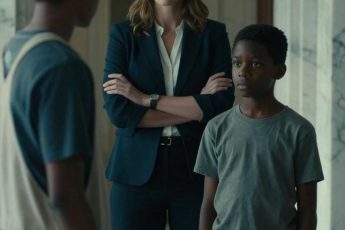
One peaceful weekend morning shattered when my doorbell rang. Standing there were my sister’s ten- and seven-year-old sons, clutching overnight bags. ‘Mom’s going on an eight-week vacation and said you’d watch us,’ they said, wide-eyed and confused. I had no clue how she thought I’d babysit for two months. They were polite, quiet boys who mirrored their mother’s neglect but not her cruelty. I let them in and immediately called my sister, who ignored me ten times before answering. I told her, firm and cold, there was no way I’d care for her kids, and if she didn’t come get them, I’d call CPS. I was literally Googling the number on speakerphone when she dropped her bombshell threat: she’d call my job claiming I was unmedicated, bipolar, and get me fired.
My job was my lifeline—I couldn’t risk losing it. I hung up, heart pounding, life suddenly a whirlwind of chaos. I had a trip planned to visit my long-distance boyfriend, Ethan, in Australia, meeting his family—a dream now clouded by fear.
I reached out to Mom, expecting the worst. She sided with my sister, guilt-tripping me about ‘family loyalty’ and past favors my sister had supposedly done. That broke me. I screamed, demanding one single time when my sister had been there for me. I begged Mom to come help, a reluctant caretaker for the boys if I had to leave. When she finally arrived, her icy lecture about family solidarity only fueled my fury. What kind of vacation was so important it made her abandon her own children? Mom’s face darkened, and with reluctant honesty, revealed my sister wasn’t on a vacation—she was being flown out by her sugar daddy. I laughed bitterly at her solemn expression.
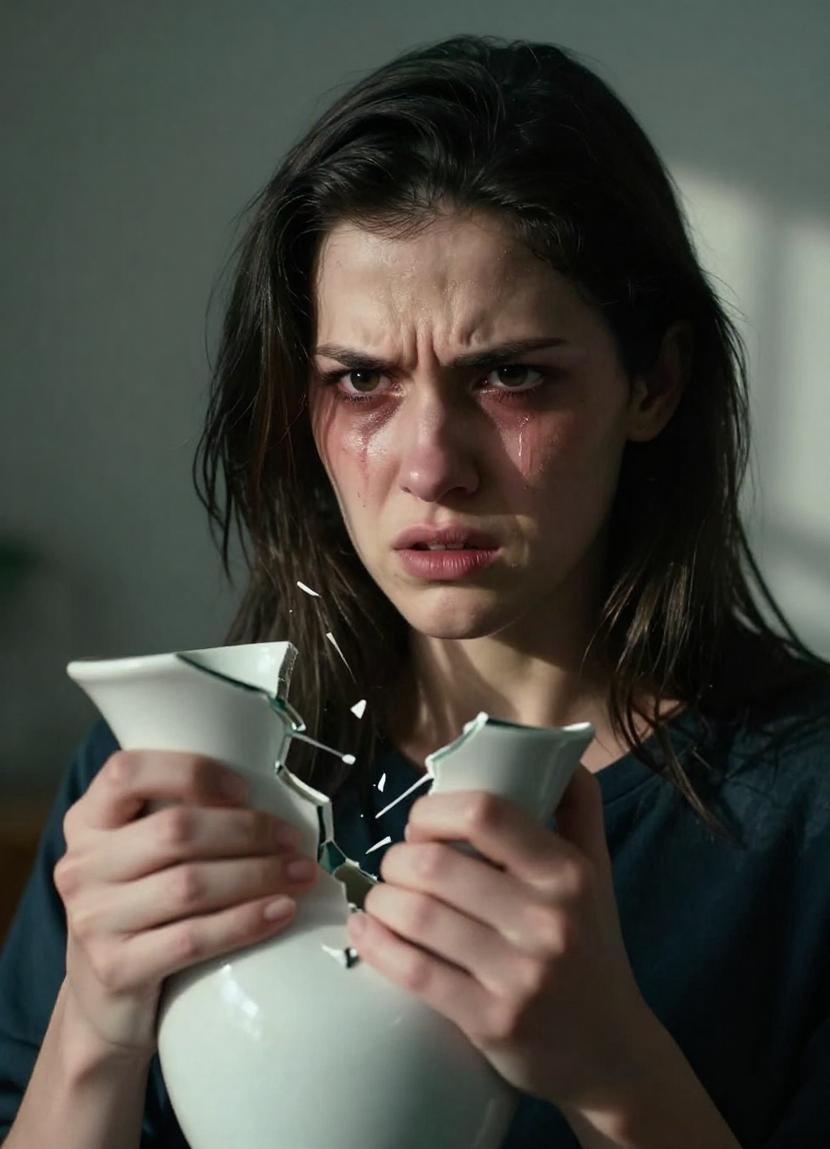
Emotions shattered, I told Mom she’d raised a loser. She shot back, dismissing me as ugly and worthless compared to her golden girl. The venom in her words pulled every wound open. I screamed for her to leave—our confrontation exploded with violence as she shoved me into a coffee table, shattering my favorite vase, a gift from Ethan. The broken pieces on the floor reflected my shattered heart. Tears and screams filled the room until I threatened to call the police if she didn’t leave.
After Mom stormed out, my nephews peeked from their room—nervous, wide-eyed, fragile. Their innocence pierced me. I ordered food, let them watch cartoons and play video games until they fell asleep, exhausted from the day’s chaos.
When I called my sister again, I brought up CPS. She laughed darkly, resurrecting her threat, warning me I’d be fired and reduced to nothing. Crying, I asked why she hated me and abandoned her kids. She boasted about her two-month sugar daddy millions, a life I would ‘never know.’ We argued until she hung up, fury crackling from the line.
Upstairs, I called Ethan, pouring out my heart across the miles. His steady voice reminded me I wasn’t alone and pushed me to gather evidence. Recording her threats became my new weapon.
Downstairs, I tried to bond with the boys. Hours spent in laughter over games and pizza unlocked their shy sweetness. They weren’t their mother—they were kind, joyous, and deserving of love. Noticing their worn clothes, I took them shopping, tears prickling as they blossomed with each new outfit and sparkly Nintendo Switch. Their gratitude and tears of relief broke me completely. The older boy’s tearful question—why I was kind when no one else was—shattered me more than any insult. I told them simply, “You’re my boys, and you deserve happiness.” Their anger at their mother’s cruelty spilled out—pain I had only glimpsed but never fully heard.
Dinner was homemade comfort; afterward, I steadied myself to call my sister and calmly trap her in recorded threats. Her fury was a shrill symphony of insults and lies, but the recording was my shield.
The following morning, before the boys awoke, I called CPS with every detail and the damning recording. The agent confirmed my sister’s neglect and criminal behavior and launched an immediate investigation.
Mom called the next day; slipping that I’d called CPS, she hung up abruptly—no doubt warning my sister. I trembled, knowing she’d protect the golden child at any cost.
Trouble hit at work fast. My supervisors confronted me, citing anonymous family tips about my mental health. But I was ready: doctor’s letters, therapy records, prescription histories—a fortress of proof. Their skepticism melted into apologies, even congratulations on my recent success.
I laughed as I told my sister her plan failed spectacularly. She raged, threatening vengeance, promising to ‘make me regret everything.’
And she tried. One morning, pounding at my door revealed her arrival, flanked by a massive stranger who barely spoke English, and Mom in tow. Before a word, the stranger shoved me to the floor. Chaos erupted as they stormed inside, shattering fragile peace. The boys, terrified, pleaded to stay with me. I tried to intervene, but the giant man hurled my head into the wall, stars exploding in my vision. They dragged my nephews away amid screams and broke my spirit as my sister spat in my face—a final act of contempt.
I called police, my voice trembling as I relived the terror. The license plate etched itself into my memory, and hours later, officers arrested the man after a violent confrontation. My sister followed, cuffed and furious.
Though behind bars, my nephews were in CPS care. I faced a heartbreaking choice: keep my planned trip to Australia, risking losing the trust and money tied to it, or stay and fight. I chose to heal, and Ethan’s welcoming arms did wonders, culminating in an unforgettable hike to his secret waterfall—a moment of pure joy amid turmoil.
Back home, legal battles erupted. I pressed charges against my sister and mom for breaking and entering. CPS investigation continued, and a month later, my nephews were officially removed from my sister’s custody. Court battles began, facing their birth father’s family—a fierce challenge.
In court, my sister exploded upon learning of my custody case, attacking me like a wild animal, biting deep into my arm before bailiffs intervened. The nightmare dragged on two grueling years. Finally, she faced a lengthy prison sentence for her crimes, and Mom escaped jail only by betraying her daughter under oath, tears of false remorse staining the courtroom.
The day I walked with my nephews into their freshly decorated rooms, their tearful embrace healed old wounds. Their youngest clutched a plush doggy, rediscovered his beloved Switch, while the eldest smiled through tears, whispering, ‘I knew it, Auntie. I just knew you’d come back for us.’ That moment sealed a promise: love can break even the most toxic chains.