When I was seventeen, I returned home to a house so unnervingly silent it felt like the walls themselves were holding their breath. The fruit bowl was gone from the kitchen counter, replaced by a solitary sheet of paper. Four simple words, written in my mother’s handwriting, stabbed deeper than any heartbreak I’d known: “You’ll figure it out.” But it wasn’t what the note said—it was what it left unsaid that crushed me.
For a fleeting, incredulous second, I convinced myself it was some cruel joke. But their absence was undeniable. The clothes I’d known for years vanished, the family photos that once breathed warmth from the walls were ripped away. They had evaporated. The landlord’s call later confirmed they had moved two states away, leaving me with a week to pack and nowhere to go. The lease was canceled without a word.
My family had never truly valued me. Their love was conditional, transactional. At thirteen, I baked a birthday cake for my mom only to hear it dismissed as ‘clumpy.’ At fifteen, I helped my brother Ethan study for his exams; he slammed the door in my face and called me a know-it-all. At sixteen, I handed my entire diner paycheck to my dad for bills, only to be shouted at weeks later as a “useless freeloader.” I was always needed, never loved.
Those first nights, I crashed on friends’ couches, drifting between homes like a ghost. But you can’t couch-surf forever. Soon, my world shrank to a 5×10 storage unit rented with the last of my savings. Dawn found me sneaking into the Haven Center to shower, my body weak on a diet of peanut butter from a plastic spoon. Days were spent in the refuge of the public library, glued to free computers, applying for jobs as if my survival depended on it—because it did.
My salvation came disguised as gruff kindness. The diner manager gave me a night shift job, paying cash under the table until I could replace my ID. Once, she found me asleep in the break room, my head resting on a napkin pile. Instead of reprimand, she draped her coat over me and let me rest. No words, no judgment—just a lifeline when I was drowning.
I clawed my way up, learning everything I could. I bought a prepaid phone, clipped and saved every receipt, devoured YouTube tutorials on managing money. The first year was sheer survival instinct. Then Ethan’s friend, a small business owner and diner regular, offered me a temp position filing office documents. It paid three times my server’s wage. That stint blossomed into more steady gigs, then a permanent role. I soaked up knowledge, stayed late, and never ceased asking questions.
By twenty-five, I launched a consulting business from a folding table in my tiny apartment. At twenty-seven, I employed five contractors and leased a real office. By twenty-nine, I was a millionaire—not the flashy kind, but real: seven-figure net worth, zero debts, a paid-off apartment. When I first saw that number on my bank app, the weight of loneliness and survival broke me, and I wept on the floor.
For twelve years, my family’s silence was suffocating. Once, I spotted Ethan on a “suggested friends” list. He was married, expecting a child, a world away. Did he ever tell his wife about me? Did he vanish me from his life, or pretend I never existed?
The silence shattered last week. A podcast interview I gave about family estrangement went viral. Support poured in from strangers who understood pain I’d carried alone. Then came an email titled: “You’re still our daughter.” From my mother. No apology, just clinical words offering to hear “my side” and suggesting conversation. Next, Ethan: “We miss you. Can we fix this?”
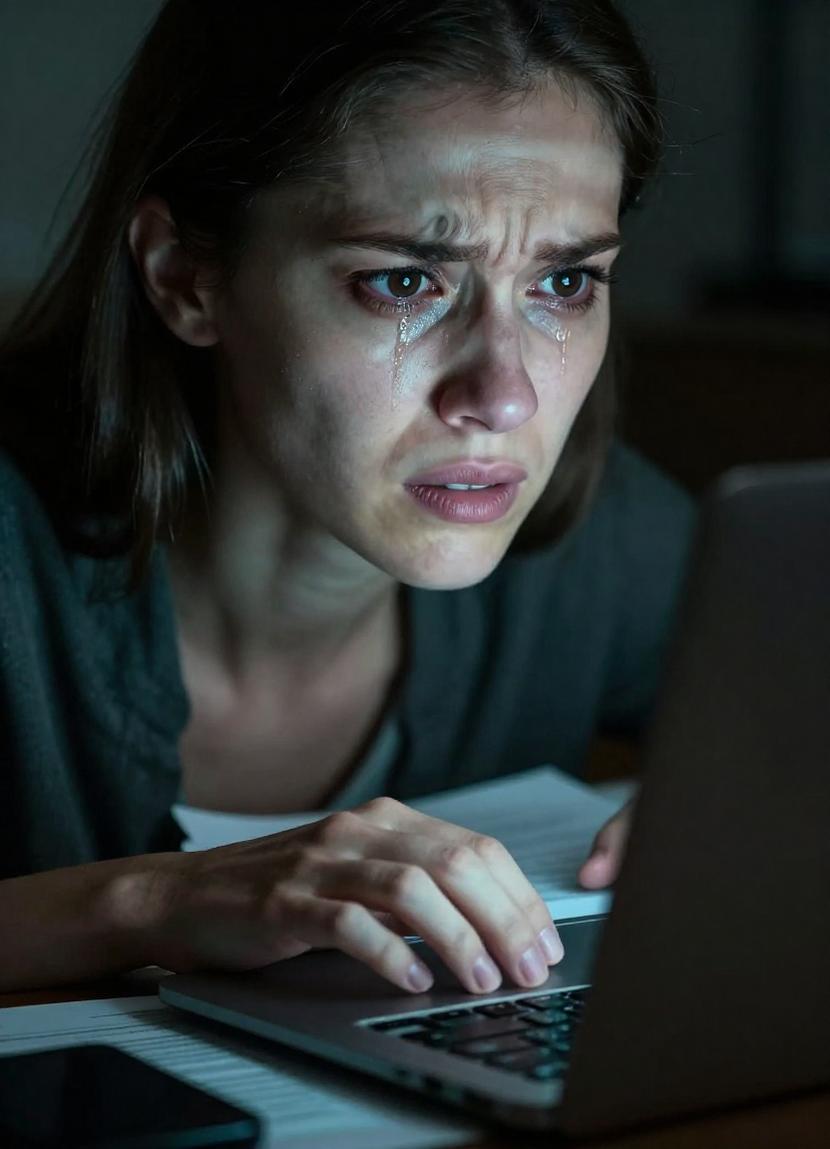
I stared at the screen a long time before slamming my laptop shut. What did healing even mean? Facing the past or only looking ahead?
Rachel, my therapist, advised patience. “Let yourself feel everything, Sophie. Don’t rush.”
Ten days later, I replied to Ethan: “Twelve years. What changed?”
His reply was instant. The podcast, he said, made him see things differently. He claimed he was just a kid then, powerless. He said he’d always wondered about me and was proud of what I’d become. I didn’t buy it.
“So,” I wrote back, “too scared to reach out when I was homeless, but proud now that I’m successful?”
His next message spilled excuses: Claire was pregnant again, their business was struggling, medical bills stacking up. The truth lay bare.
Then Mom followed—old photos, baby me, sun-drenched beaches, a snowman in the yard. Frozen moments from a life that felt like someone else’s. At the bottom, “We made mistakes. We are ready to make amends.” A statement, not an apology.
I agreed to meet Ethan alone at The Daily Grind in Chicago—a neutral ground. He seemed older, heavier, but the same restless eyes. Twenty torturous minutes of strained politeness gave way to the performance.
“Sophie, I’m sorry,” he said, voice shaky. “I was just a kid. They told me you chose to stay behind, live with friends.”
“Really?” I said, voice icy. “Not once in twelve years did you call to check?”
The question jagged through the years: why was I left? His eyes dropped to his cold coffee. “They saw you as strong, independent. They convinced themselves you’d be better off.”
I almost laughed. “Better off? I was sleeping in a storage unit. Showering at the Haven Center. Living on peanut butter for months.”
Remorse softened his features, but responsibility did not. He played the victim, hugging me at parting. My arms stayed rigid, unyielding.
That night, Mom called. Thanks to Ethan, she had my number. Her voice thick with false pride. I cut straight to it. “Why did you leave me?”
Her reply chilled me. “We were drowning in debt, Sophie. We couldn’t afford you. You were smart—we thought social services would place you somewhere better. We thought we were doing you a favor.”
I hung up, then blocked her number.
Morning brought an email from Dad—a ledger of failure, debts, failed businesses, eviction looming. At the end: “Could you help us out?”
Not a single word about me.
My choice was clear. I emailed Ethan: I would rebuild a relationship with him and his family, but only if they severed all ties with our parents and refused financial help or contact until Mom and Dad fully accepted responsibility.
His response was sharp. “Family supports each other, Sophie. You’re selfish.” The old guilt clawed back.
No reply. Instead, I booked a trip to Bali, desperate for space. But it escalated. Mom and Dad drove eight hours, pounding on my door, voices echoing desperation: “Sophie, we love you! We’re sorry!” I sank to the floor, trembling, and called security—no admittance.
Next day, my doorman called: Mom was downstairs, chest pains. I told him to call an ambulance; I wasn’t coming down.
At the airport, Ethan called, panic-stricken. “Mom had a heart attack. It’s your fault.”
I hung up, dialing Rachel. “You’re not responsible for her health,” she said firmly. “Classic manipulation.”
I flew away, yet guilt shadowed each breath.
Returning, flowers waited—no note, just “Please call us. Sunset Lodge.” I tossed them in the trash.
Breakthrough came from Claire, Ethan’s exhausted wife, carrying a sleeping toddler. She sat across from me quietly, eyes wide with truth.
“I only learned the real story three years ago, after your podcast. Ethan told me you ran away.” She looked pained. “I’m horrified by what they’ve done. Wait till you hear the truth.” Pulling out her phone, she scrolled through grim Facebook posts—Mom praying to find her ‘troubled daughter,’ Dad accusing me of theft—falsehoods spun to hide their guilt.
Claire’s voice broke. “They told everyone you abandoned them. Michael even kicked them out after Dad grabbed my arm.” She lifted her sleeve to reveal a faint bruise.
Her daughter Mia stirred awake. “I want my children to know their aunt,” Claire said softly. “But only if you want that. No pressure. Just an open door.”
After they left, I forwarded Dad’s next email—threatening defamation—to Lucas, my lawyer.
Next day, Ethan called in terror using Claire’s phone. His parents were furious with her, threats escalating.
We met with Lucas present. The story unraveled—years of control, financial abuse, co-signed mortgages, stolen bank cards. My parents were parasites, sinking deeper into danger.
That night, they broke into Ethan and Claire’s home, stealing documents, leaving a chilling note: “Family matters should stay in the family.”
It was time. I told Ethan and Claire to stay at my secure apartment. My sanctuary once solitary now guarded those who chose truth.
Court loomed. Before the day, Mom emailed: “If you go, you’ll regret it forever.”
In court, they appeared weak, pathetic. Evidence of break-in, threats, manipulation laid bare. The judge granted a restraining order: three years, no contact.
Outside, Mom’s voice whispered my name; I didn’t look back.
Later, my phone buzzed—unknown number, a photo of Mia playing at a friend’s house, taken from a distance. Four chilling words: “This isn’t over yet.”
Fear bristled into icy rage. I sent a final message to my parents: “One last meeting. Tomorrow, noon, The Daily Grind. Just me. After that, leave us alone forever.”
I arrived calm, seated in the shadows of the coffee shop.
When they joined, my voice was unyielding: “This isn’t negotiation. It’s over. You’ve lost me, Ethan, and your grandchildren.” I slid my phone across the table, exposing their threats. “Copies are with my lawyer. Any contact, and these go public. I will not just ruin your reputation—I will scorch your entire lives. Understand?”
Dad tried blustering about gratitude. I laughed, cold and bitter. “Gratitude? For abandoning your child? You owe me nothing.”
Rising to leave, Mom whispered, “Do you really hate us that much?”
I paused, eyes locking on two broken shadows who tried to break me. “No hate. I feel nothing. You’re strangers. That’s your loss, not mine.”
Walking away, the burden of twelve years lifted like a dark storm finally passed.
Six months later, a terse letter from Mom arrived, forwarded by Lucas. No demands, no excuses—just acknowledgment of failure and a promise to respect the restraining order. I keep it locked away—not forgiveness, but a receipt for the boundary finally drawn.
Last week was Mia’s fourth birthday. Balloons and laughter filled my once-stark apartment. Ethan grilled on the balcony. Claire snapped pictures. I stood in the doorway, watching a family born of choice, love, and healing.
That haunting note from years ago echoed softly in my mind: ‘You’ll figure it out.’
And I did.
I am no longer the abandoned girl left alone in a silent house. I am Sophie—the woman who survived, who built a life, a career, a family worth loving. My parents are strangers now, their ghosts faded. What I hold close is my chosen family—a sanctuary of joy and trust. From broken beginnings, I forged a future bright with love.
I smiled, surrounded by warmth and laughter, knowing I had truly figured it out.